Barcelona, Layer by Layer

Behind Barcelona Cathedral, a stretch of Roman wall still stands from the city the Romans called Barcino. The Gothic Quarter around it still follows their street plan. Barcelona is built in layers, Roman, medieval, Modernista, and most of its landmarks only make sense once you can see how one sits on top of the next.

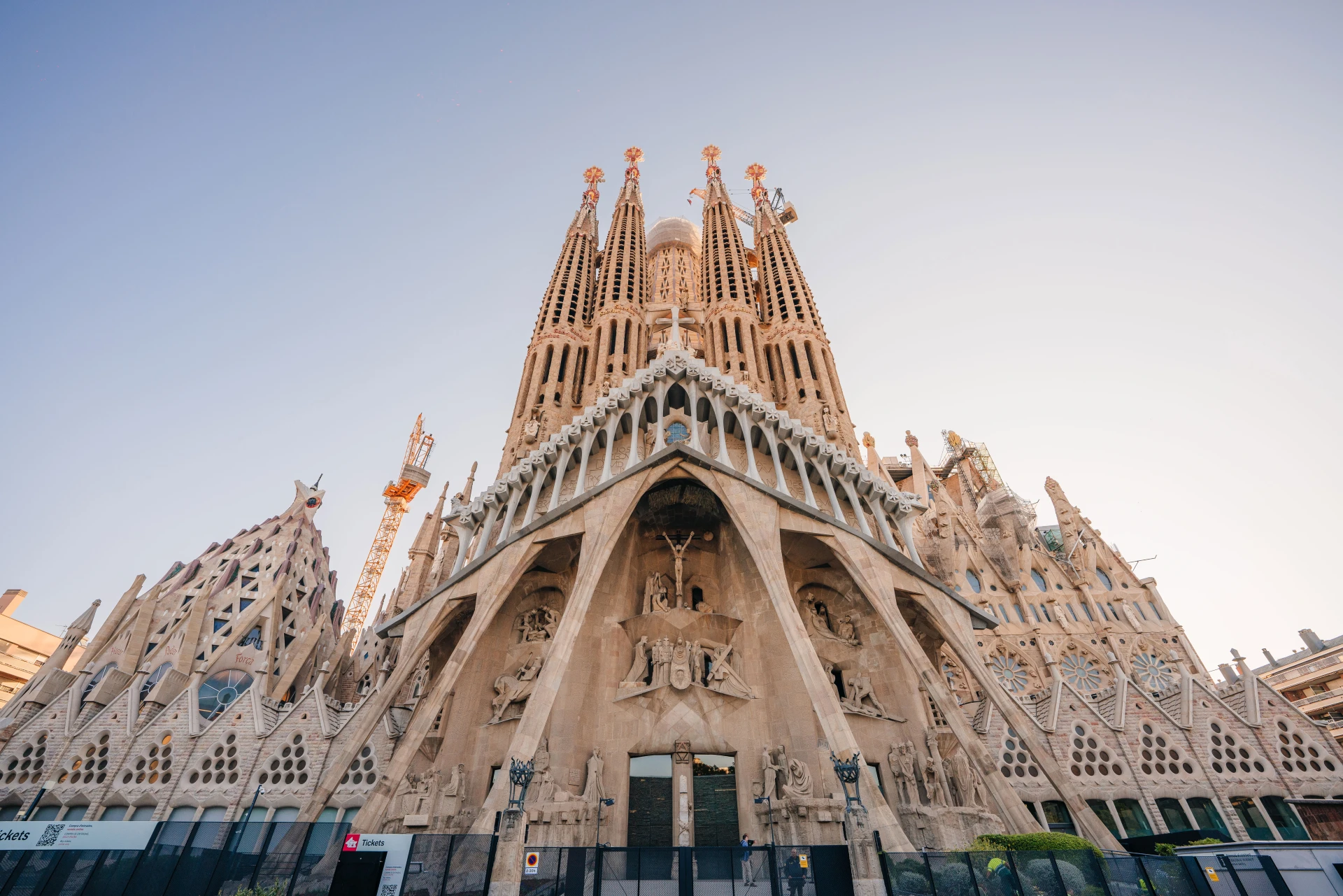
Reading those layers is a guide's work. World Experience operates only in Spain and Portugal, and in Barcelona our guides take you from the Gothic Quarter to the Sagrada Família, still under construction more than 140 years after Gaudí took it on. You leave with Barcelona explained, not just seen.

Barcelona, Your Way

Four ways to see the city, depending on how much of it you want to shape. Small group tours run on set dates with other travelers. Private tours follow an established route on your schedule, with a guide for your party alone. Multi-day packages handle hotels and transfers; The Essence of Barcelona adds Montserrat and the Penedès in three days. Tailor-made itineraries start from a blank page.

Whatever the format, your guide shifts the emphasis toward what you came for: the structural logic behind Gaudí, the Roman city underneath, or the Catalan kitchen.

Gaudí and the Old City

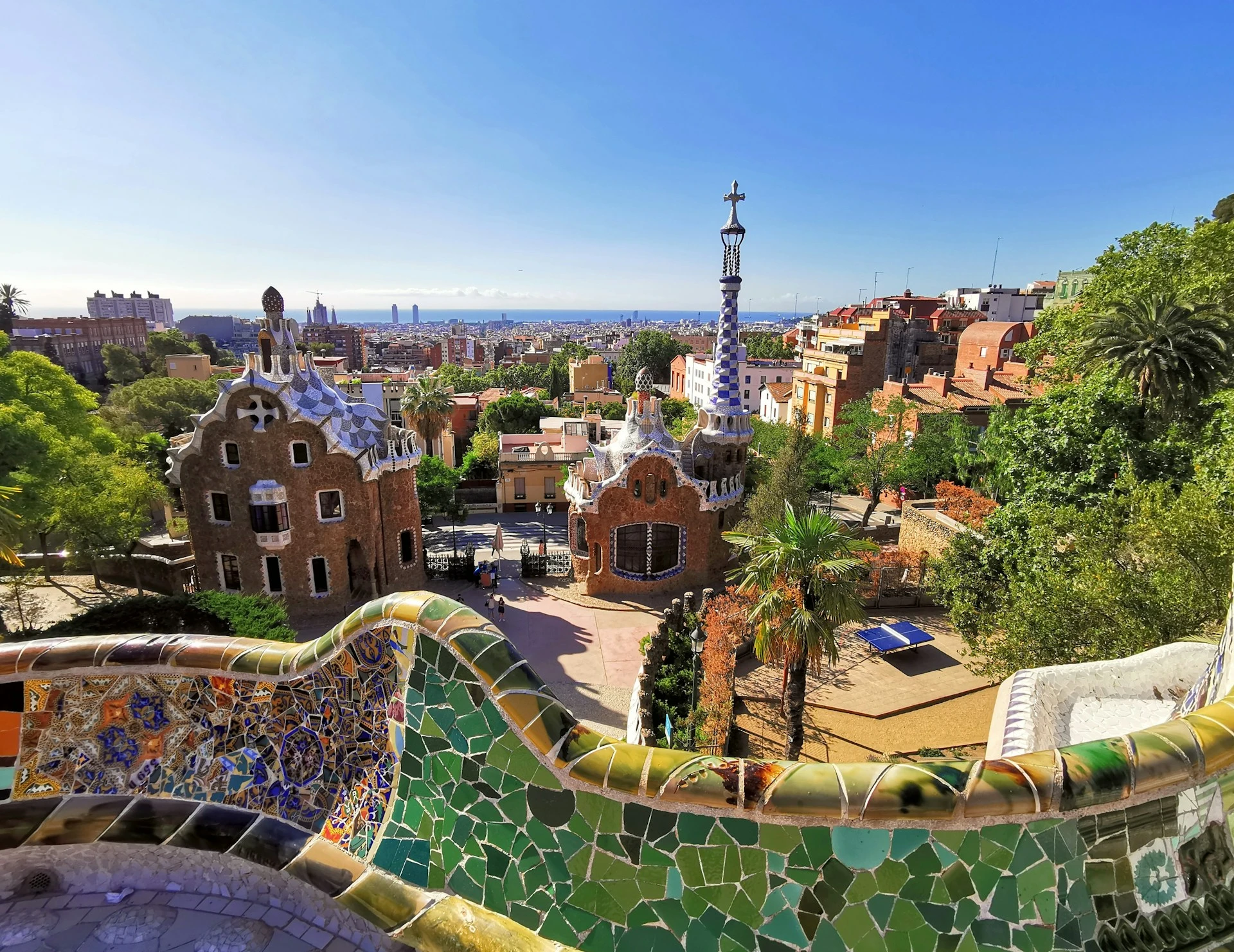
The private Gaudí walk runs from Park Güell's mosaic terraces down through Gràcia and the Eixample, and ends inside the Sagrada Família. Your guide explains why Gaudí built the way he did, not just what the shapes resemble. Then the older city: the Gothic Quarter's medieval lanes, El Born, and La Boqueria.

Catalan Traditions & Culture

Catalan is the language on Barcelona's street signs and most of its menus, and the city's traditions carry the same identity. Step inside the Palau de la Música Catalana, watch a castell, the human towers recognized by UNESCO in 2010, or catch the sardana danced in a city square. Come in late September for La Mercè, when parades, fire runs and human towers fill the streets.

Barcelona Food & Wine

Barcelona cooks from Catalan tradition and what the Mediterranean brings in. Start with pa amb tomàquet and classic tapas, then La Boqueria, the covered market just off La Rambla. Pair the day with wines from the Penedès, under an hour from the city, and, if you'd like, dinner at one of Barcelona's Michelin-starred restaurants.

Frequently Asked Questions


  • Why should I visit Barcelona?

Barcelona's Roman origins as Barcino gave way to a medieval trading power, and later to the Modernisme movement that reshaped its skyline under architects like Gaudí. Six of the seven Gaudí works on UNESCO's World Heritage list stand in the city, alongside a walkable Gothic old town, a Mediterranean coastline, and one of Spain's strongest food scenes.


  • What's the difference between small group, private, package, and tailor-made tours in Barcelona?

Small group tours follow a set itinerary and date, shared with a limited number of other travelers. Private tours cover similar ground on your own schedule, with a guide exclusively for your party. Package tours combine touring with hotels, transport, or multi-day logistics already arranged. Tailor-made itineraries are built from scratch around what you specifically want to see, at your own pace. All four are led by a guide with deep local knowledge; the difference is in flexibility, schedule, and who you're touring with.


  • How many days do you need in Barcelona?

Two to three days cover the city itself — the Gaudí sites, the Gothic Quarter, La Boqueria and the waterfront. The Essence of Barcelona covers the same ground and adds a day trip to Montserrat and Penedès. To go further, the Barcelona & Andorra journey takes you into the Pyrenees, and our multi-day tours from Barcelona run up to 15 days across Madrid, Andalusia and Portugal.


  • What's the best time to visit Barcelona?

Barcelona has a Mediterranean climate, warm and mostly dry through summer and mild in winter. Late spring (May–June) and early fall (September–October) bring the most comfortable temperatures for walking the city, without August's peak heat and crowds.


  • How do you get to Barcelona?

Barcelona–El Prat Airport (BCN) has direct flights from major US and European cities. By train, it's under three hours from Madrid on the AVE high-speed line, making it an easy addition to a Spain itinerary.

Scroll to topScroll to top